

WELCOME TO the Total Endurance Blog
Written by coaches, not established technical writers, Everything within this blog comes from real coaching conversations, real athletes, and real-world experiences. Our aim is simply: to share useful ,practical insights for all levels of athletes.
If theres any topic you’d like covered in our blogs please get in touch.

The Overlooked Phenotype: Why Muscular Athletes Can Become Elite Endurance Athletes
The athlete that doesn't look gifted early often becomes the toughest competitor at the crux. Here's why pit bull phenotypes—strong, durable, mentally tenacious—need a completely different training approach than huskies or border collies. And why they often excel at HYROX before becoming elite endurance athletes.

Don't Train Your Border Collie Like a Husky: Why Coaching Philosophy Needs Phenotype Awareness
High-volume training builds endurance. That's true. But loading it on an athlete who hasn't developed the aerobic fiber base to support it doesn't build fitness—it burns them out. Not because they weren't tough enough. Because the system was designed for a different phenotype
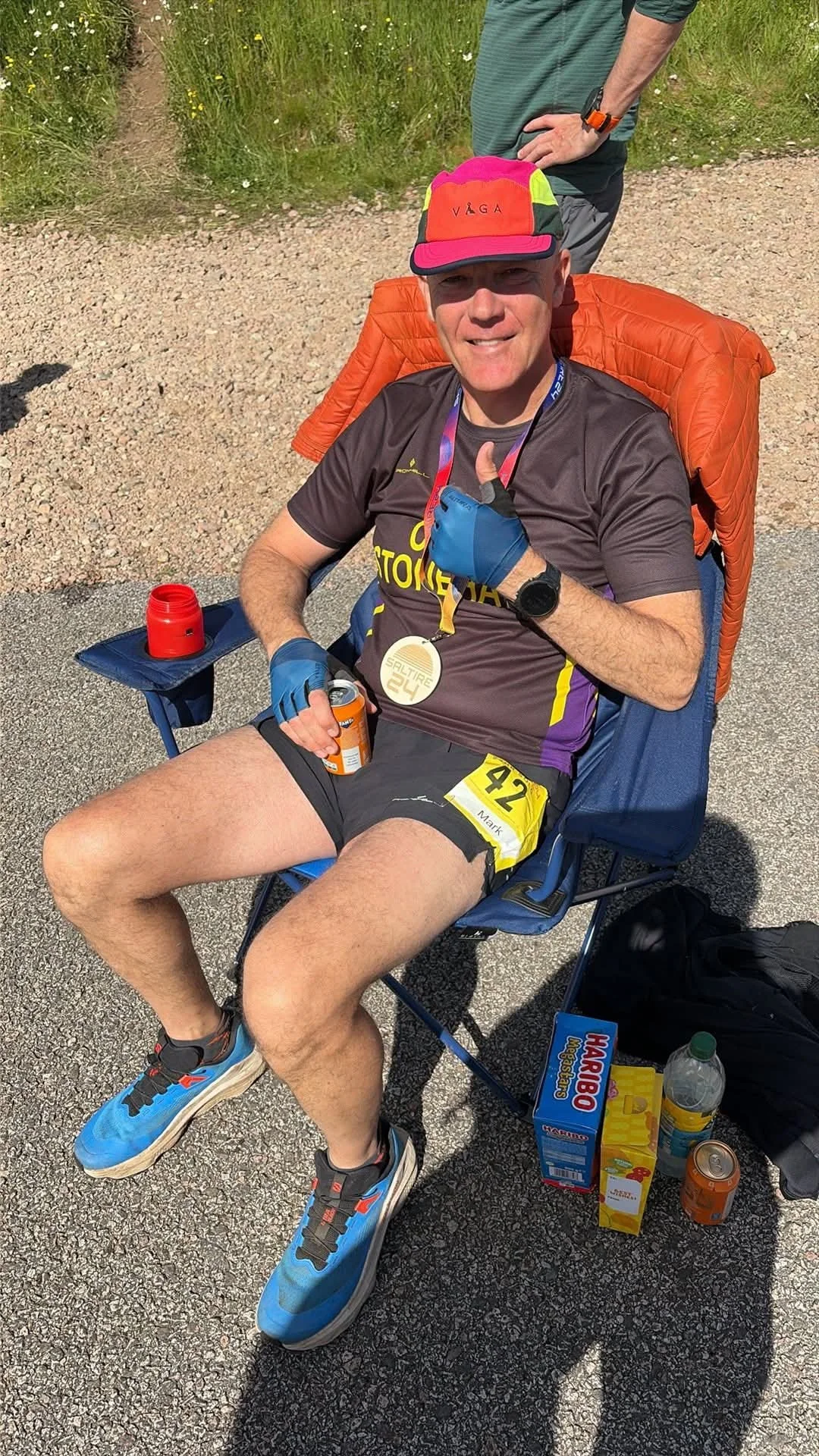
The Physiology Behind Mark’s Saltire 24 Race
At 59, Mark Macgillivray finished 2nd male at the Saltire 24 — 167.8km covered, 2,468m climbed, one continuous day and night on his feet. Here's what his physiology testing predicted, and what actually happened when it mattered.
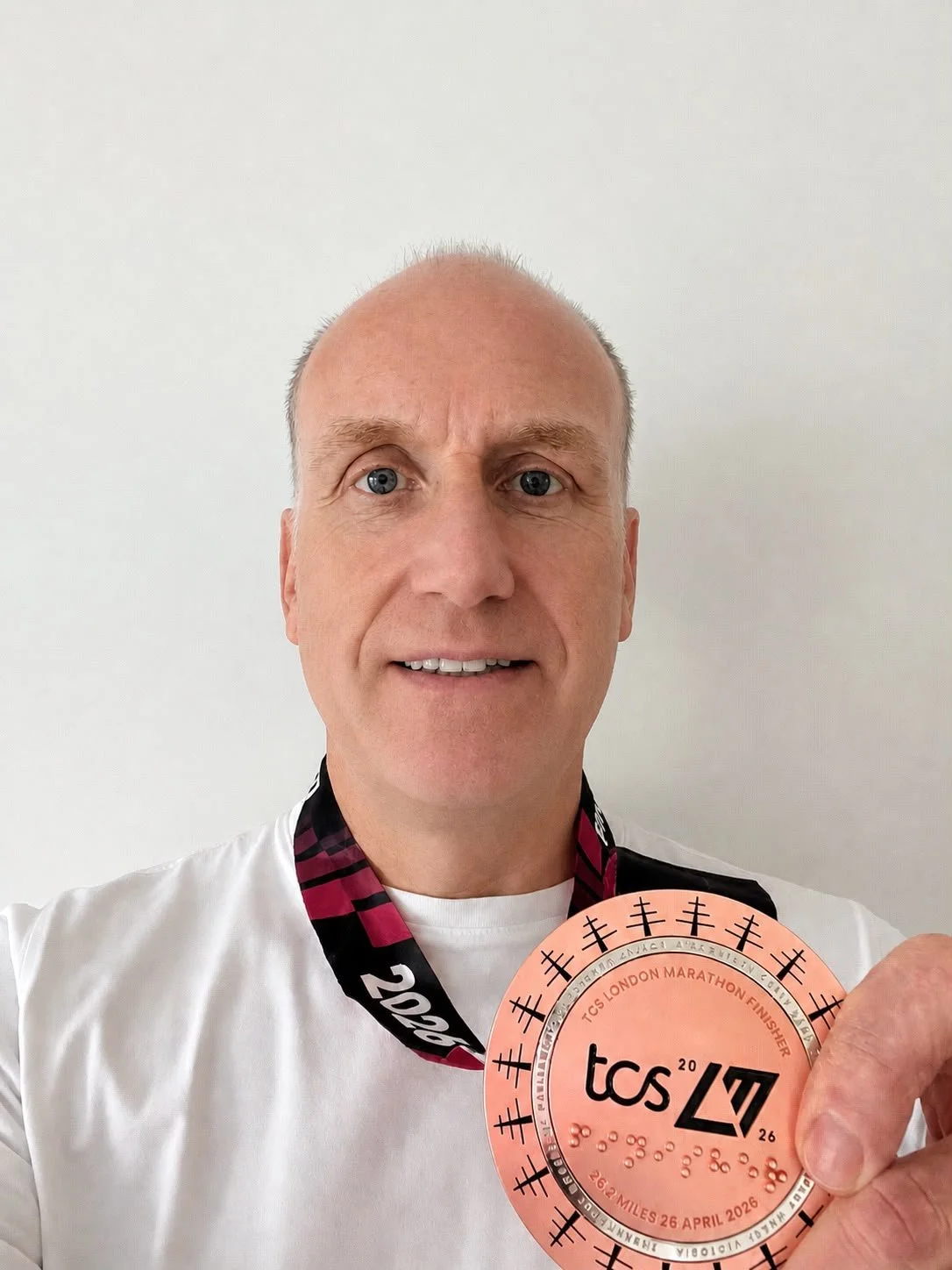
We Didn't Get Mark's Marathon Training Right. This Is Why.
We had all the data. We still got Mark's London Marathon preparation wrong. Not recklessly — we just didn't read it deeply enough. This is what we missed, what the numbers were actually telling us, and how it's changed how we coach.
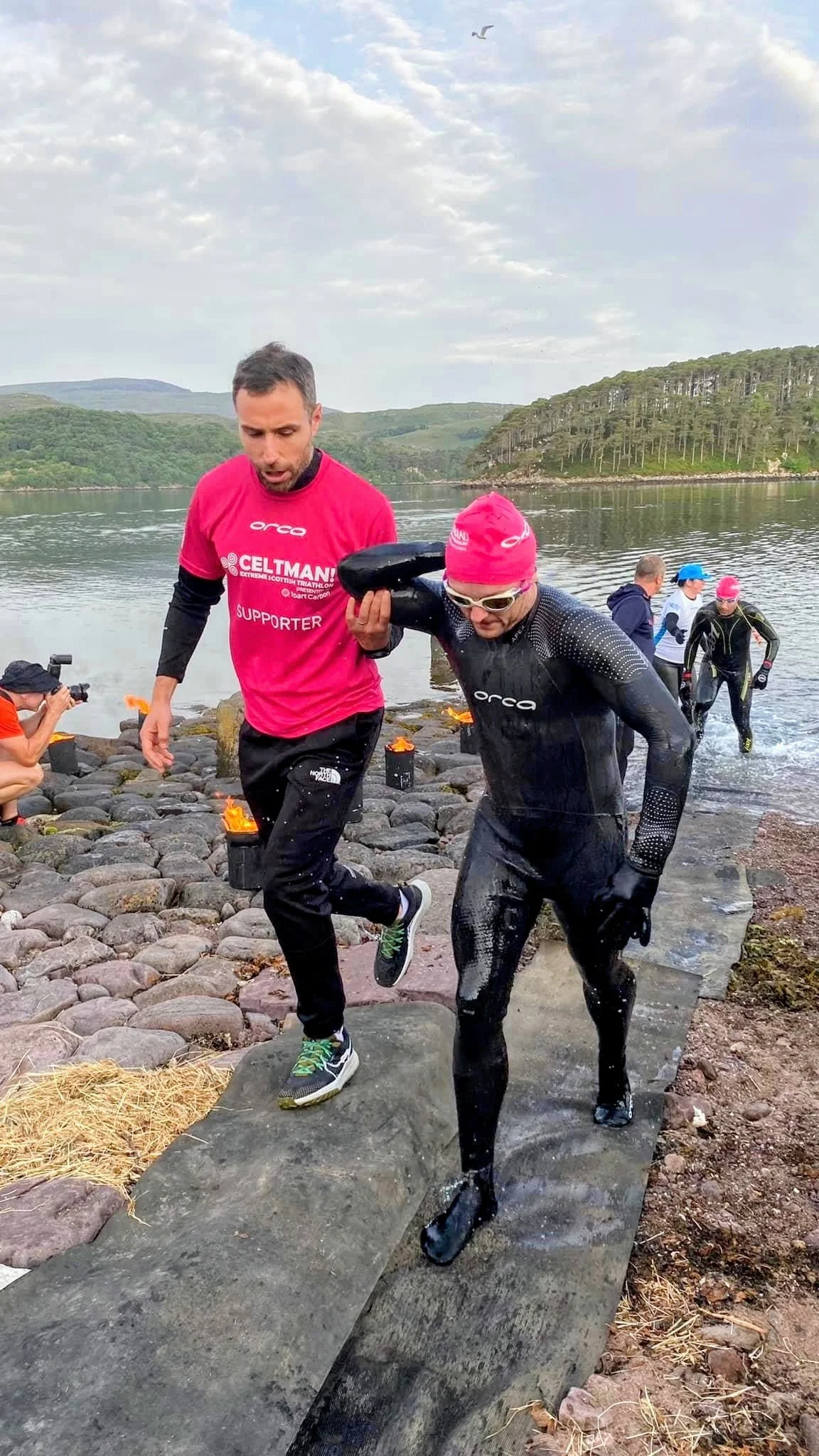
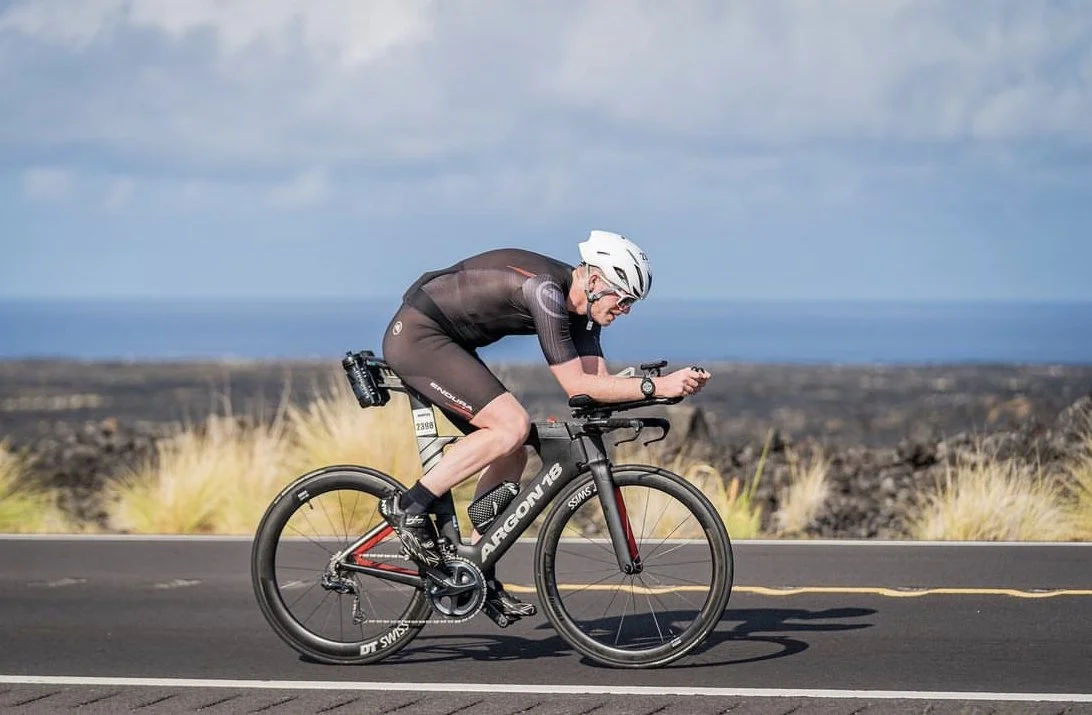
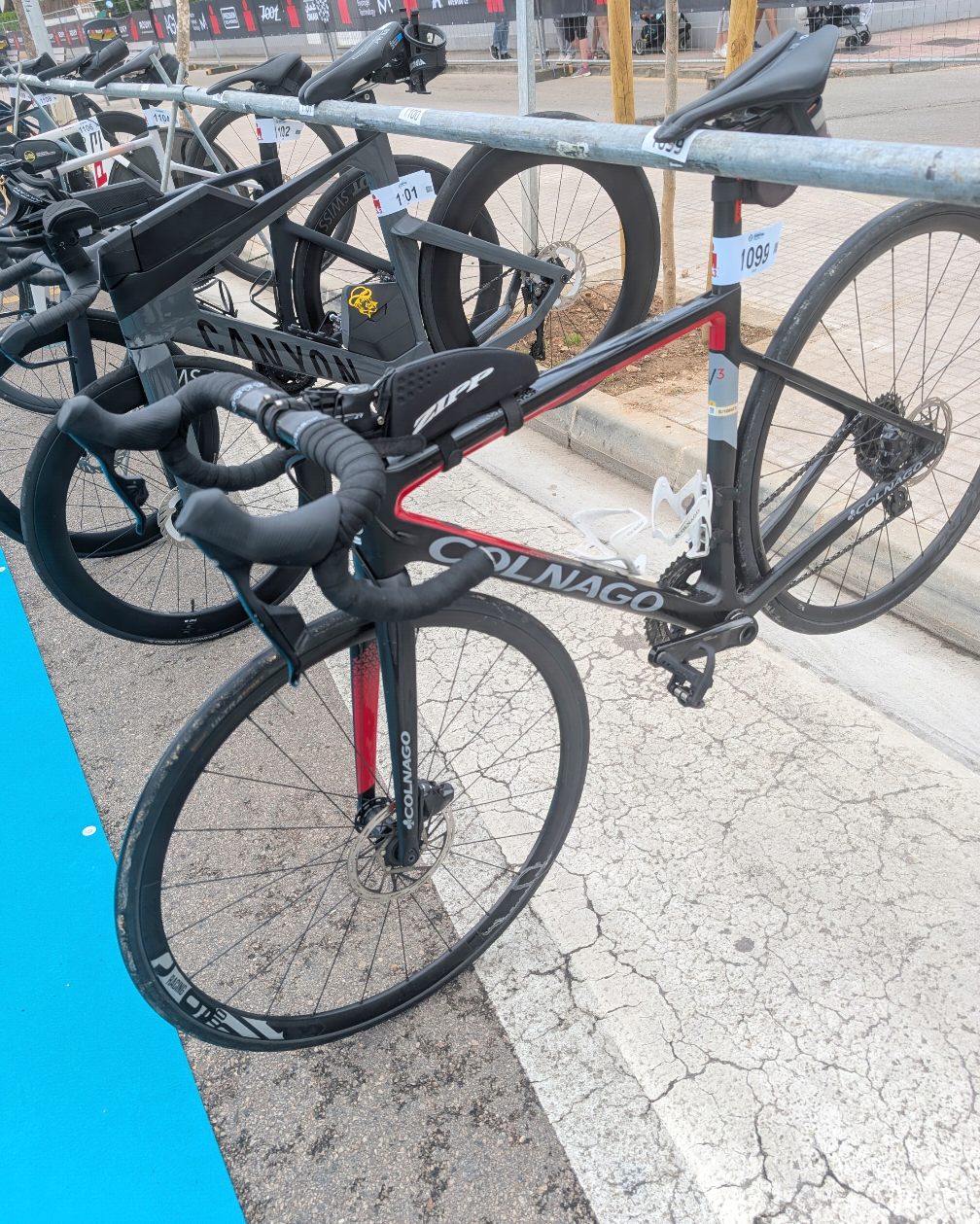
Mallorca 70.3: What Happens When You Show Up Underprepared
As I slowly regain the ability to walk without looking like a newborn giraffe, I've been reflecting on what might be the most uncomfortable 7 hours and 53 minutes of my endurance life.
Mallorca 70.3 wasn't a race. It was a reckoning.
Hadn't swum since November. A few sporadic bike rides. One 5-minute run before my calf gave out. Two weeks before race day, I was on an e-bike overtaking grandmas thinking "there's no way I'm doing this."
Five days out, I convinced myself I could just "get around."
What followed was brutal, honest, and taught me more about respect, preparation, and what happens when you show up underprepared than any race I've actually trained for.
And I've already signed up for next year.
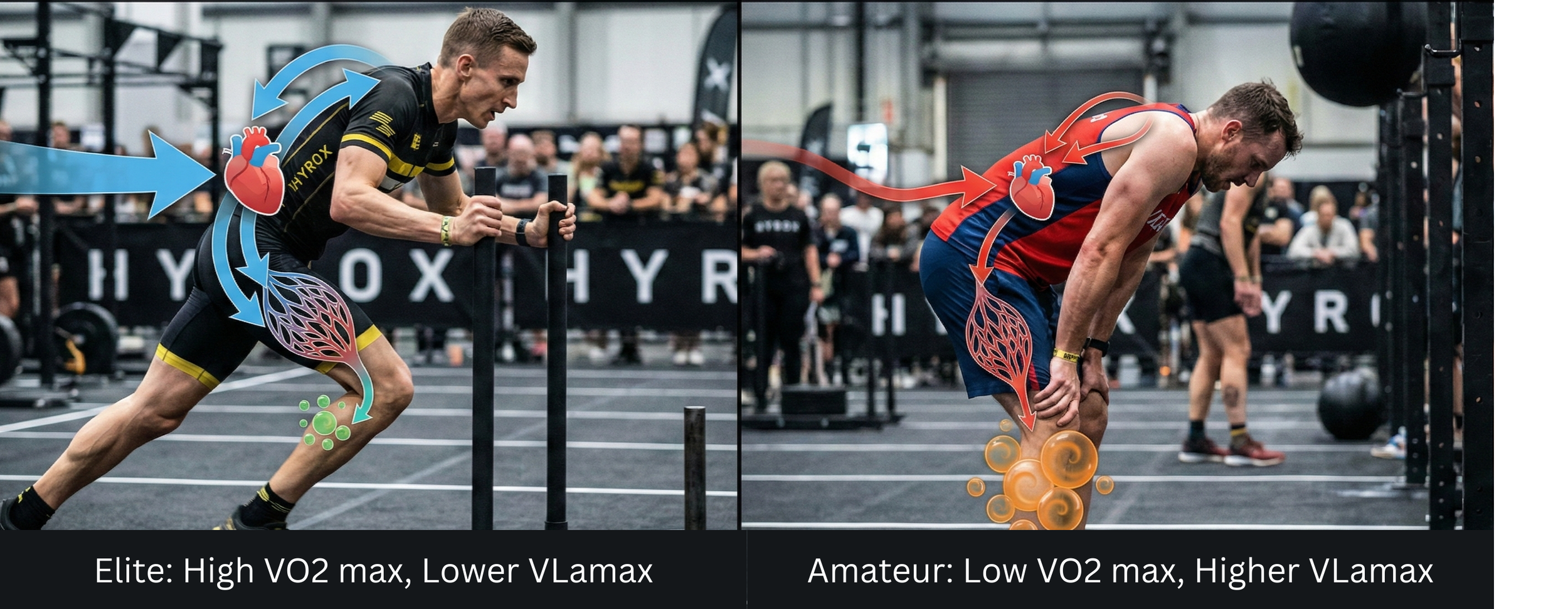
Why Your HYROX Training Is Probably Too Hard
Feel explosive in the gym but flat on race day? You aren’t unfit—you’re inefficient. We explain why high-intensity training might be sabotaging your endurance, the science behind the "Run 2 Crash,"

Collateral Damage: The Talented Athletes Our Systems Leave Behind
Most coaching systems act as a filter rather than a developer of talent. By understanding athlete phenotypes from the oxidative Husky to the glycolytic Greyhound we can stop 'sorting' survivors and start prescribing the specific physiological stress each individual needs to thrive. It’s time to look inside the Coaching Graveyard.
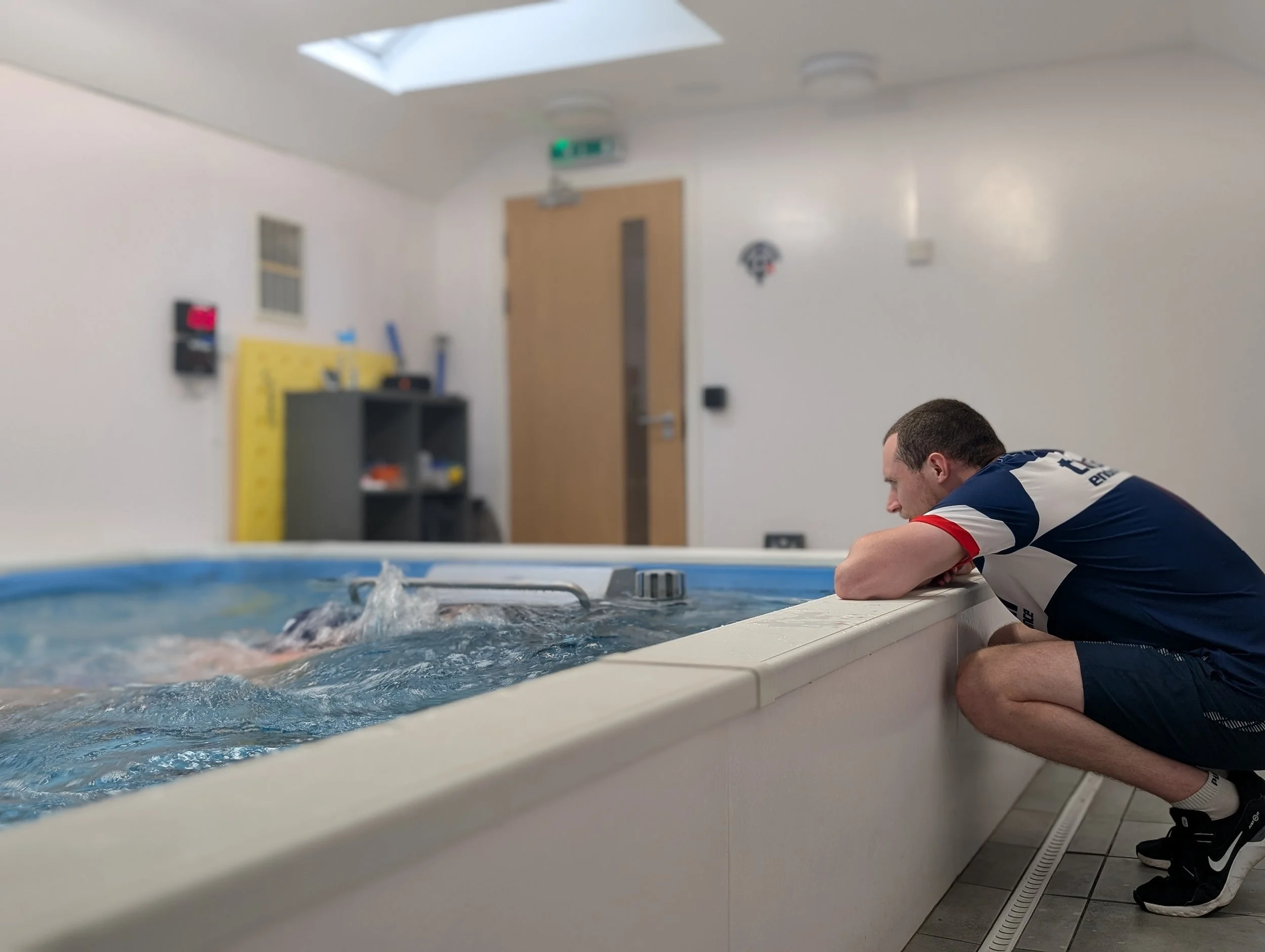
Stop Fighting the Water: How to Master the Long-Distance Triathlon Swim without Just Adding More meters
Are you an "adult-onset swimmer"? You bring massive lung capacity from running and cycling, but it doesn't translate to the pool. You are likely falling into the "More is Better" trap. Discover why adding volume to a flawed stroke is a waste of time—and the three technical fixes that actually yield free speed.

Running on Borrowed Time: Is Your Marathon Pace Sustainable?
We analysed four runners targeting a 3:30 marathon. Runner D had a massive "Ferrari" engine (VO2 Max 68), while Runner A had a modest "Sedan" engine (VO2 Max 48). Conventional wisdom says Runner D wins easily. The data proves the opposite. Find out why the "fittest" athlete on paper is actually the most likely to DNF.
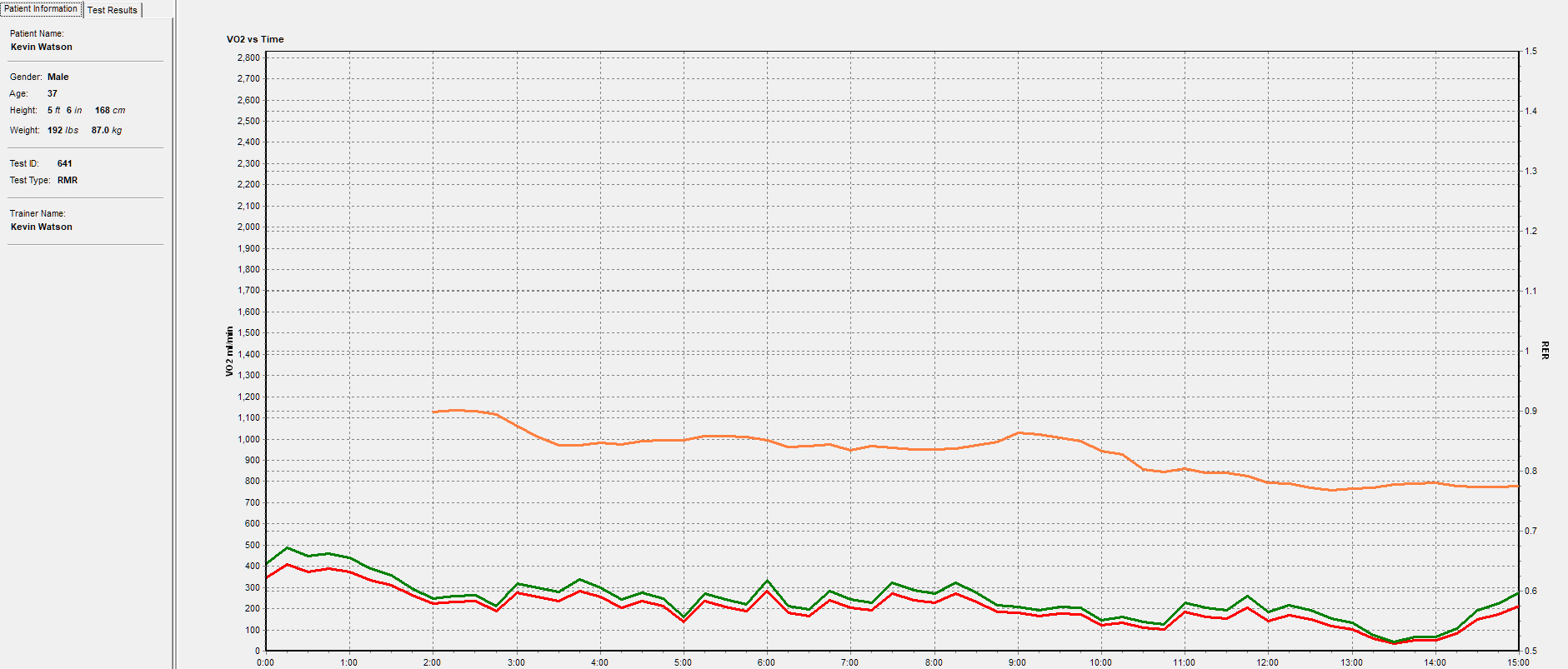
How Understanding My RMR Improved My Training Consistency
Understanding my Resting Metabolic Rate (RMR) revealed that I was under-fuelling and drifting toward low energy availability and early signs of RED-S. This insight helped me correct my intake, stabilise recovery, and rebuild consistent, high-quality training.
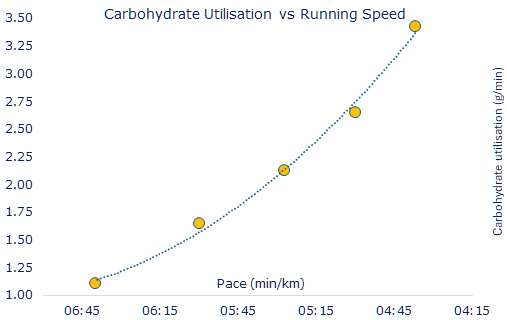
Why This Runner Looks “Efficient”… but Is Burning Through Carbs Faster Than Expected
A runner we tested looked incredibly efficient — yet their data showed a rapid rise in carb burn at relatively easy speeds. This post unpacks the puzzle, reveals the hidden limiter, and shows how to train smarter to improve speed and endurance.

Why You Shouldn’t Be Smelling Ammonia When You Train
If you’ve ever finished a hard training session and noticed a strong ammonia smell after exercise, your body is trying to tell you something. That sharp odour isn’t from sweat; it’s a sign you’re under-fuelled and breaking down protein for energy. When carbohydrate stores run low, the body starts converting amino acids into fuel, producing ammonia as a by-product.
At Total Endurance Coaching in Aberdeen, we use Resting Metabolic Rate (RMR) testing to identify exactly how much energy an athlete’s body needs to function and train effectively. By understanding your true RMR and energy balance, we can pinpoint under-fuelling, correct nutrition errors, and build data-driven fuelling plans that improve recovery, protect muscle mass, and enhance performance.
If fatigue, poor recovery, or that distinctive ammonia smell sound familiar, it’s time to stop guessing and start measuring your metabolism.

Technique, Trainability, Enjoyment: Ruairidh’s Formula for Club Swimming Success
Since joining Total Endurance, Ruairidh Carnegie has already made a difference to our coaching team. Bringing his calm, personalised coaching to club swimmers in Aberdeen. In this blog, we chatted to Ruairidh about his swimming journey, coaching philosophy, and how his technique-first, swimmer-first approach is helping athletes push past plateaus and rediscover joy in the pool.

Nicoles Road to Ironman Barcelona
Follow Nicole’s journey as testing helps her unlock the data, training insights, and confidence to take on Ironman Barcelona

What is Running Economy and why you should care
When it comes to endurance performance, most athletes are familiar with VO₂ max – the maximum amount of oxygen your body can use during intense exercise. But there’s another, often overlooked metric that can make a huge difference to your performance, especially over longer distances…

What Should I Bring to My Bike Fit?
Not sure what to take to your bike fitting? This practical checklist covers everything from your bike and shoes to what to wear—so you can get the most accurate, effective fit possible.

What Does a Bike Fit Involve? Step-by-Step Breakdown
Wondering what really happens during a professional bike fit? From pre-fit assessments to on-the-bike adjustments, this guide breaks down the full process—plus why Ken Bryson’s 30+ years of experience make a Total Endurance fit stand out.

How Do I Know If My Bike Is the Right Fit?
Not sure if your bike is the right fit? Discover the telltale signs of a poor fit, what’s included in a professional bike fitting, and why getting it right can transform your comfort, power, and long-term health on the bike.