

Stuck on the same 10K time?
5K, 10K or half marathon, we'll test you and show you what's actually holding you back. Then every session is set by your own body: what to run, how fast, for how long and how long to rest.
Tested in our Aberdeen lab, or at your club, track or on the road.
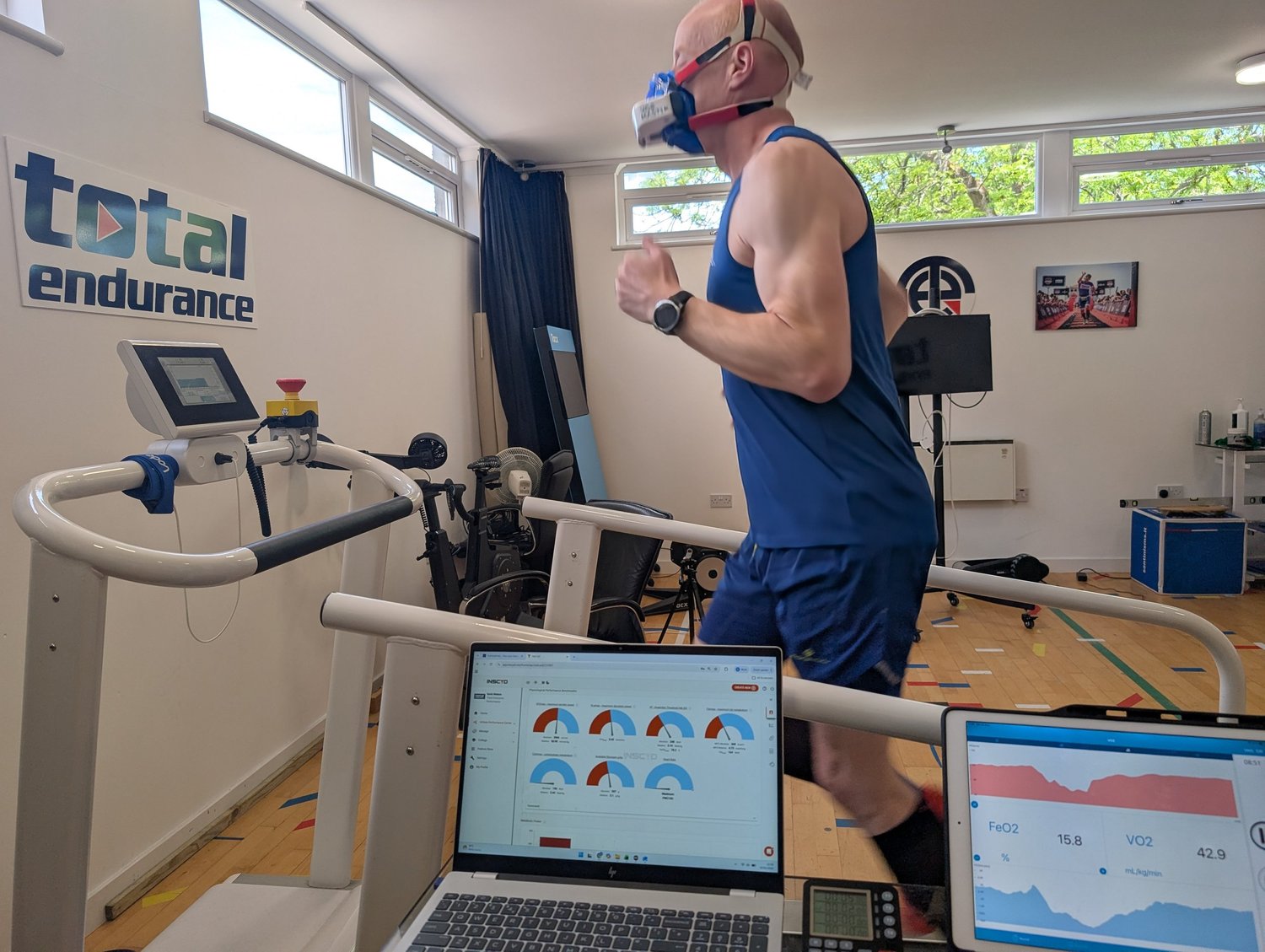
Generic plans give every runner the same sessions
A plan from a book, an app or a forum doesn't know your physiology, so it can't tell you what you specifically need to get faster. Our testing measures exactly how your body works, then tells you what to do about it.
Is my goal time realistic?
We'll show you how much of your engine your goal pace uses. Over 5K you can run close to your ceiling. Over a half marathon you can't. You'll know where your target sits before you spend months chasing it.
Which sessions will make me faster?
Two runners with the same VO2 max can need the opposite sessions. Your results show what's limiting you, so every interval has a job: lifting your engine, sharpening your speed or making each kilometre cheaper.
Why do I fade in the second half?
Usually it's one of two things: not enough aerobic engine for the pace, or a sugar-burning system that's the wrong size for the distance. The test tells you which, so you train the right one.
Same session. Three different runners.
Take a classic plan session: 8 x 400 m at 5K pace, 90 seconds rest. We've given it to three runners who all run 5K in around 20 minutes. The line shows how much oxygen they're using. The bars underneath are their rep times: green means that rep did its job, red means it didn't.
The green band is 90–100% of VO2 max. That's the intensity this session is meant to target, so the more time each rep spends there, the more the session is doing.
Runner A · needs longer recovery
Great for four reps, then it falls apart
What's happening: The first reps hit the zone, but 90 seconds isn't long enough for her to clear what she's built up. From rep 5 she's slowing down and dropping out of the zone. The second half is just hard work, not useful work.
What we'd change: Same reps, but 2-3 minutes of easy jogging between them. Every rep stays on pace and in the zone.
Runner B · needs longer intervals
Feels fine. Does almost nothing.
What's happening: His oxygen use rises slowly. Each 400 m is over before he gets anywhere near the zone, so he hits every rep time and finishes the session thinking it worked. It barely touched his fitness.
What we'd change: Longer reps, like 4-5 x 1 km or 3 x 8 minutes, so he spends minutes in the zone rather than seconds.
Runner C · the session works
This plan was written for her
What's happening: She reaches the zone quickly, recovers enough in 90 seconds and holds the same time on every rep. Eight reps, eight lots of time in the zone.
What we'd change: Nothing. Keep it, then add reps or cut the rest as she gets fitter.
A training plan can't tell which runner you are. Your test can. We set your rep length, your pace and your recovery from your own results.
What we change, depending on what we find
Your test shows what's holding your racing back. Your training then targets it directly, so every session has a reason to be in your week.
What your test tells you
One session in our lab measures the four things that decide your 5K, 10K or half, then we translate every number into a pace you can run to.
VO2 max
Your engine. How much oxygen you can use, which sets the ceiling on what's possible for you at any distance.
Glycolytic power
Your fuel burn. How quickly you get through carbohydrate. When it's high, the tank empties early, and it's it decides whether you suit 5K or the half marathon.
Running economy
Your efficiency. How much oxygen each kilometre costs you. Often the quickest win, because it makes every pace easier without getting any fitter.
Threshold and sustainable pace
Your sustainable pace. Where your threshold sits, and the fastest pace you can hold from start to finish without tipping over it.
- Goal time
- 45:00(4:30 /km)
- Threshold pace
- 4:38/km
- Goal pace as % of VO2 max
- 88%
- VO2 max pace (for intervals)
- 4:05/km
- VO2 max
- 52ml/kg/min
- VLamax
- 0.38mmol/l/s
- Running economy
- 205ml/kg/km
Book your run test
5K, 10K or half marathon. Every lab option includes a one-to-one debrief with a coach.
Run Test
Find out what is really holding you back.
- ✓Full lab test VO2 max, threshold, sugar burn (VLamax) and fuel use
- ✓Your realistic race paces for 5K, 10K and the half
- ✓Your VO2 max pace to set your intervals from
- ✓Training paces easy, steady, threshold, VO2 max and speed
- ✓One-to-one debrief with a coach
Run Test + 16-Week Plan
Your test, turned into training.
- ✓Everything in the Run Test
- ✓16-week plan in TrainingPeaks every key session targets your limiter: exact paces, rep lengths and recoveries
- ✓Strength sessions
- ✓Mid-plan review and discounted week-16 retest
Remote Test
Can't get to Aberdeen?
- ✓Remote PPD test structured efforts with your own GPS watch
- ✓We analyse your physiology VO2 max, VLamax, fat and carb burn, threshold
- ✓Hour-long video debrief what is limiting you and the sessions that fix it
- ✓Add a 16-week plan £199 in total
Want running economy too? Add it at checkout for £30. It shows how much oxygen each kilometre costs you, often the quickest win.
Keep getting injured? Add a biomechanical analysis at checkout, or see run analysis.
Remote test plus plan? Book the remote test and 16-week plan for £199.
Same goal. Very different answers.
Three runners we've tested recently. All wanted to get faster, but each had a completely different limiter.
Stuck at 40 minutes for 10K
He thought it was a bad race. It wasn't. At 4:00/km he was using 82% of his engine, and his threshold already sat at 91% of his VO2 max, with very little sugar-burning power to draw on. More threshold work wouldn't move it. Lifting his VO2 max will.
Threshold pace that felt impossible
His threshold came out at 3:15/km, which sounded too fast to be true. It was real, but it sat at about 95% of his VO2 max, so he could only hold it for 3-5 km. His 12 x 400 m sessions barely touched VO2 max. Switching to 3 x 8 minutes, plus a few 20-second sprints, targets what's actually limiting him.
Quick over 5K, fading over 10K
Close to sub-20 for 5K, but a long way off over 10K. A big sugar-burning system gives her that 5K speed, but it caps her threshold and burns fuel fast as the distance goes up. For 10K and the half, we're bringing it down with aerobic volume and short-rest intervals.

When to test
Your race date is fixed. Test early enough that every week of training uses your numbers.
Initial Test
Understand your physiology in more detail, learn whats limiting you and exactly where the training focus should be.
Train based on your physiology
Every session targeted to improving your fitness - the exact interval intensity, the right recovery duration and the right paces for every key session.
8–10 weeks out
Follow-up test. Confirm what's moved and fine-tune your race pace.
Race day
You know your pace and your plan. No guessing on race day.
Don't wait until you're 'fit enough'Test now and give yourself more time to make improvements.
Book your testIn our lab, at your club or out on the road
Test on your own in our lab, or bring your running club, training group or a few of you chasing the same spring 10K or half. We'll come to you and test the whole group in one session, and every runner still leaves with their own numbers.
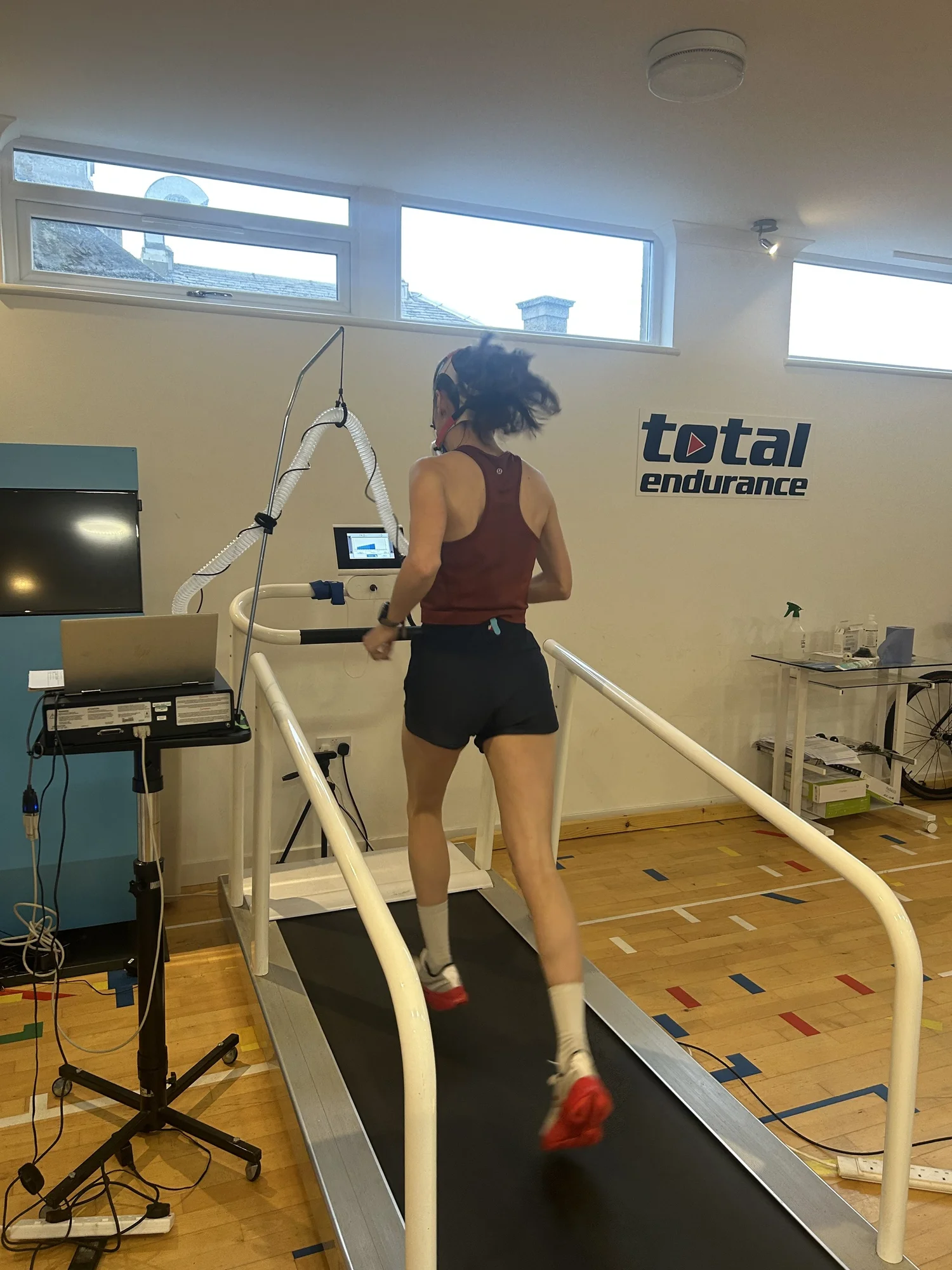
Our Aberdeen lab
Come on your own or bring your group. Full lab kit, including the running economy add-on.
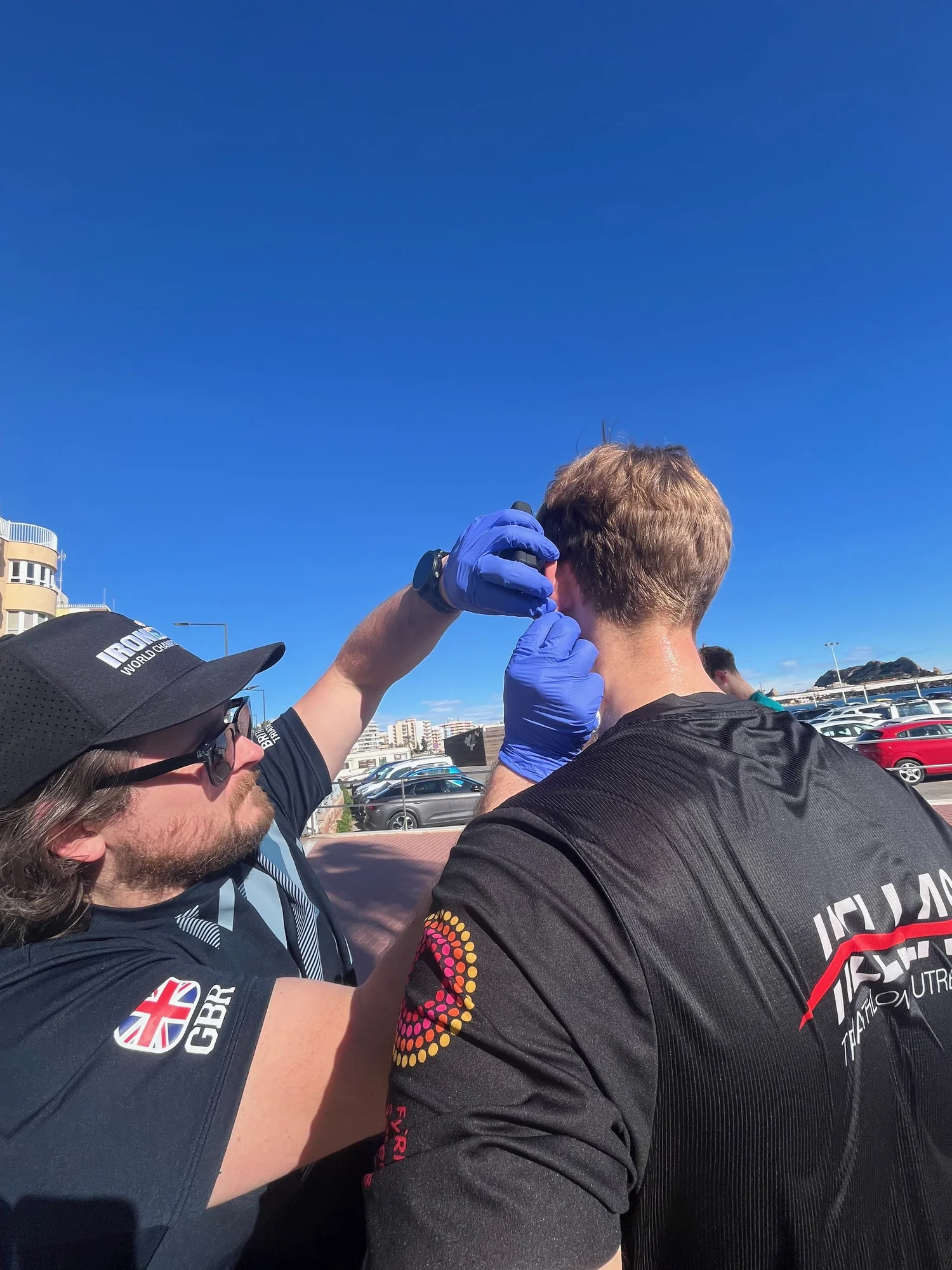
A running track
We bring the kit to the track and test the whole group in one session.
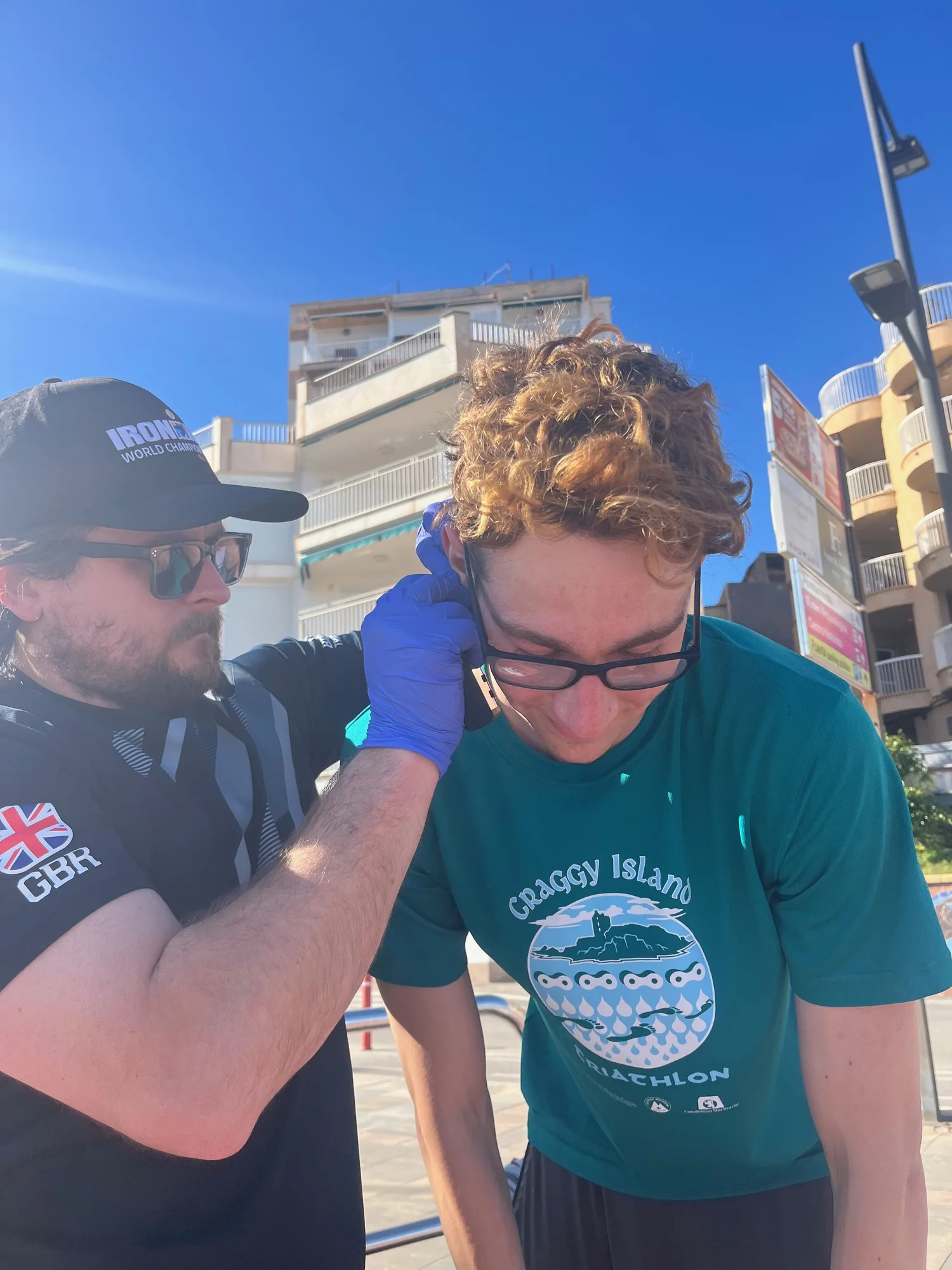
A flat stretch of road
All we need is a relatively flat route where we can run your target intervals.
Every runner gets
- Their own race pace range
- Their VO2 max pace for intervals
- Training paces for their next block
- A results debrief with a coach
The bigger the group, the better the rate
Tell us your group size, your race and what you're looking for, and we'll put together a package.
Request a group quoteQuestions runners ask us
I'm not fast. Is this for me?
Yes. Whether you're chasing a sub-30 parkrun or a sub-90 half, the test shows what's holding you back and what to train. You'll stop guessing and start improving.
What does the test involve?
After a warm-up you run a series of short stages on the treadmill that get progressively faster, with small finger-prick samples between stages. It's hard towards the end but short.
Is my Garmin VO2 max accurate?
It's an estimate from heart rate and pace. It can't tell you how fast you burn sugar, what each kilometre costs you, or where your threshold really sits, and those are what decide your race.
Should I train differently for 5K and the half marathon?
Usually, yes. A 5K rewards a bit more sugar-burning power. A half marathon punishes it. The test tells you where you sit, so you can train for the distance you care about.
Should I just do more threshold runs?
Not always. Threshold is set by your engine and your sugar burn. If your threshold is already close to your ceiling, more threshold running won't move it. The test shows whether it will.
When should I test?
10-12 weeks before your target race is ideal, then retest 6-8 weeks later to check it's working.
Where is the test done?
At our lab in Bucksburn, Aberdeen. We can also test running clubs at a track.
Your race date is fixed. Your plan shouldn't be a guess.
Find out what pace you can hold and exactly how to train for it.
Not sure yet? Talk to a coach
Book a free 15-minute call with one of our coaches. Tell us about your race and your goal, and we'll tell you honestly whether testing is the right next step.
On the call we'll cover
- Whether your goal time looks realistic from your recent running
- Which test and add-ons make sense for you
- When to test, based on your race date
- Group or club testing, if you're organising one
Fill in the form below and a coach will get back to you to arrange a time.